
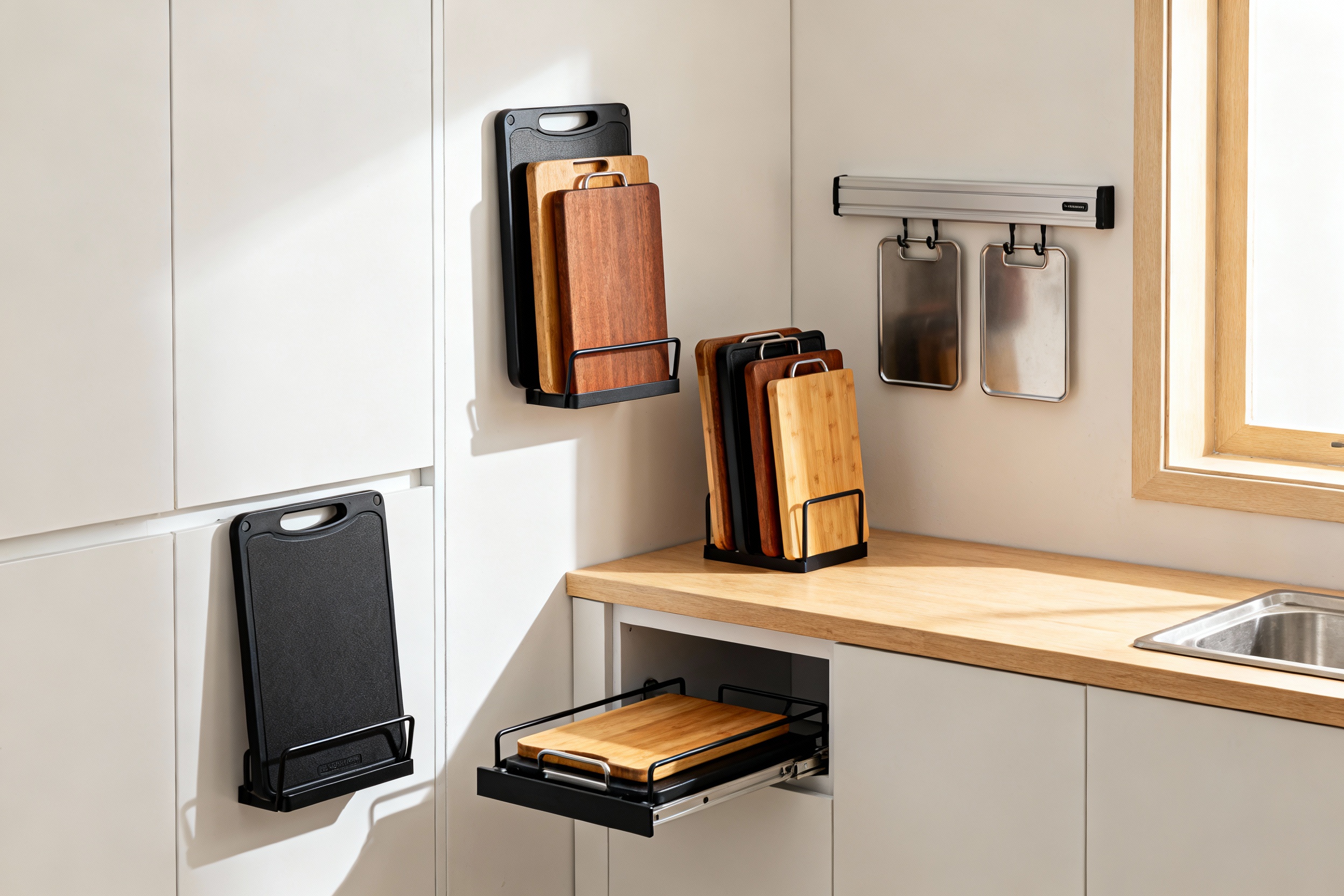
Tiny kitchen, big board problem? You’re not alone. Cutting boards eat counter space, topple out of cabinets, and somehow always wedge themselves in the worst possible spot.
The good news: you don’t need a bigger kitchen—you need smarter storage. Let’s corral those boards and give your countertops their dignity back.
Use Vertical Space Like a Pro
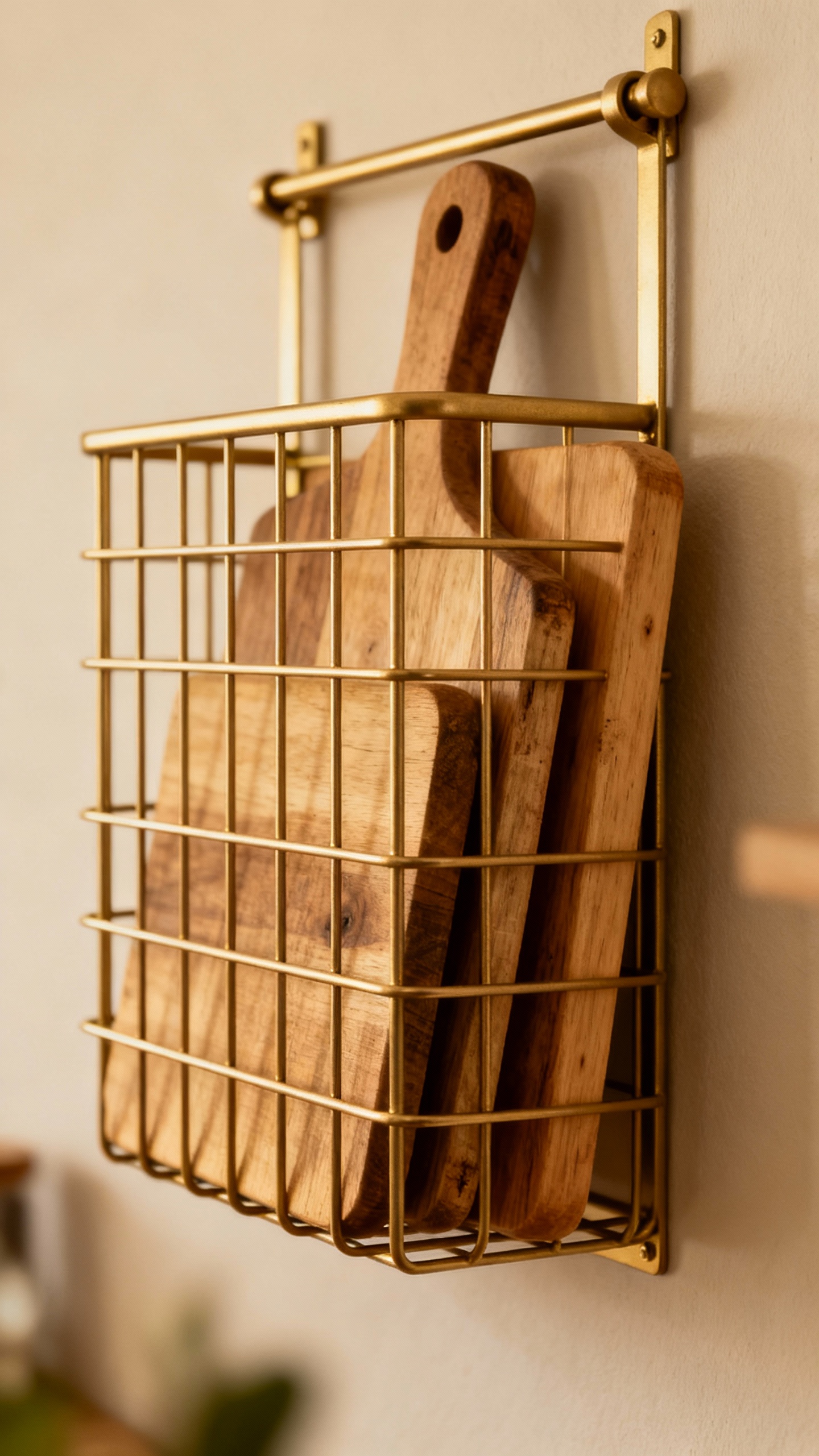
Small kitchens don’t suffer from lack of space—they suffer from unused space. The walls, the sides of cabinets, even the inside of doors can carry a lot of the load.
- Wall-mounted racks: Slim racks or mail sorters hold 2–4 boards without stealing counter space.Mount one near your prep zone for easy grab-and-go.
- Magnetic strips: Heavy-duty magnetic bars can hold thinner boards with metal hooks or built-in metal eyelets. Add S-hooks for boards with handles.
- Side of fridge or cabinet: Adhesive hooks or a narrow rack on the side of a cabinet works wonders—no drilling required.
Pro tip: Mount with intention
Keep boards away from the stove and sink splash zones. Moisture + heat = warped boards and sad vibes.
Mount near your main prep area instead.
Game-Changing Cabinet Door Storage
Those inside cabinet doors? Prime real estate. Use them.
- Over-the-door racks: No tools, no fuss.Slide a rack over a lower cabinet door and slot boards in vertically.
- Adhesive bins: Slim metal or acrylic bins with strong adhesive handle light and mid-weight boards, especially plastic ones.
- DIY rail + hooks: Install a short rail and hang boards with handles. It’s minimal and looks tidy, IMO.
Measure before you buy
Check the depth of your board and the clearance inside the cabinet. You don’t want door-banging drama every time you open it.
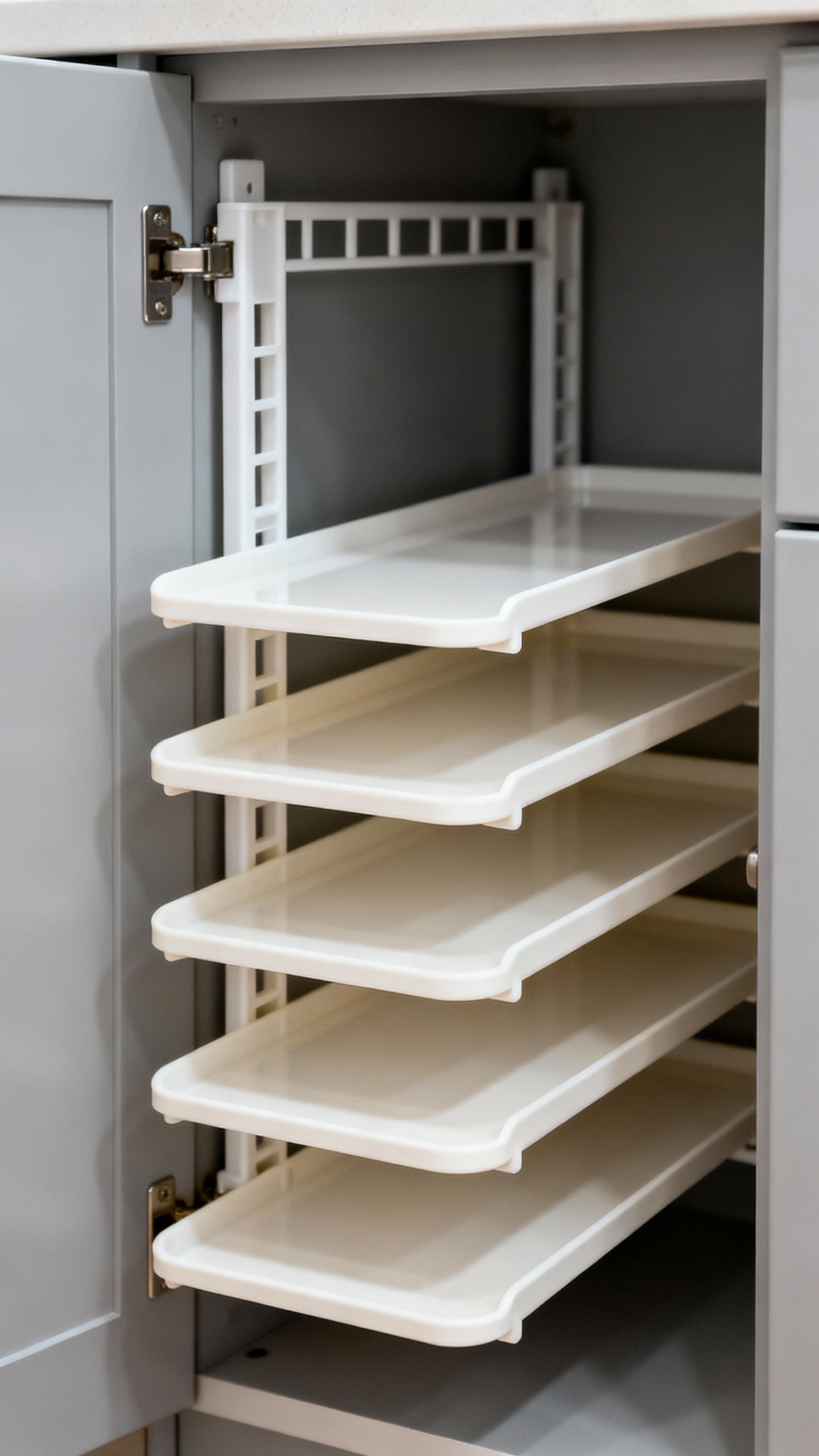
Drawer Dividers That Don’t Waste Space
If you’ve got a wide drawer, a little organization goes a long way.
Keep boards horizontal and separated so you can grab one without playing kitchen Jenga.
- Tension dividers: Adjustable dividers create slots customized to your boards. No tools, and they keep things upright.
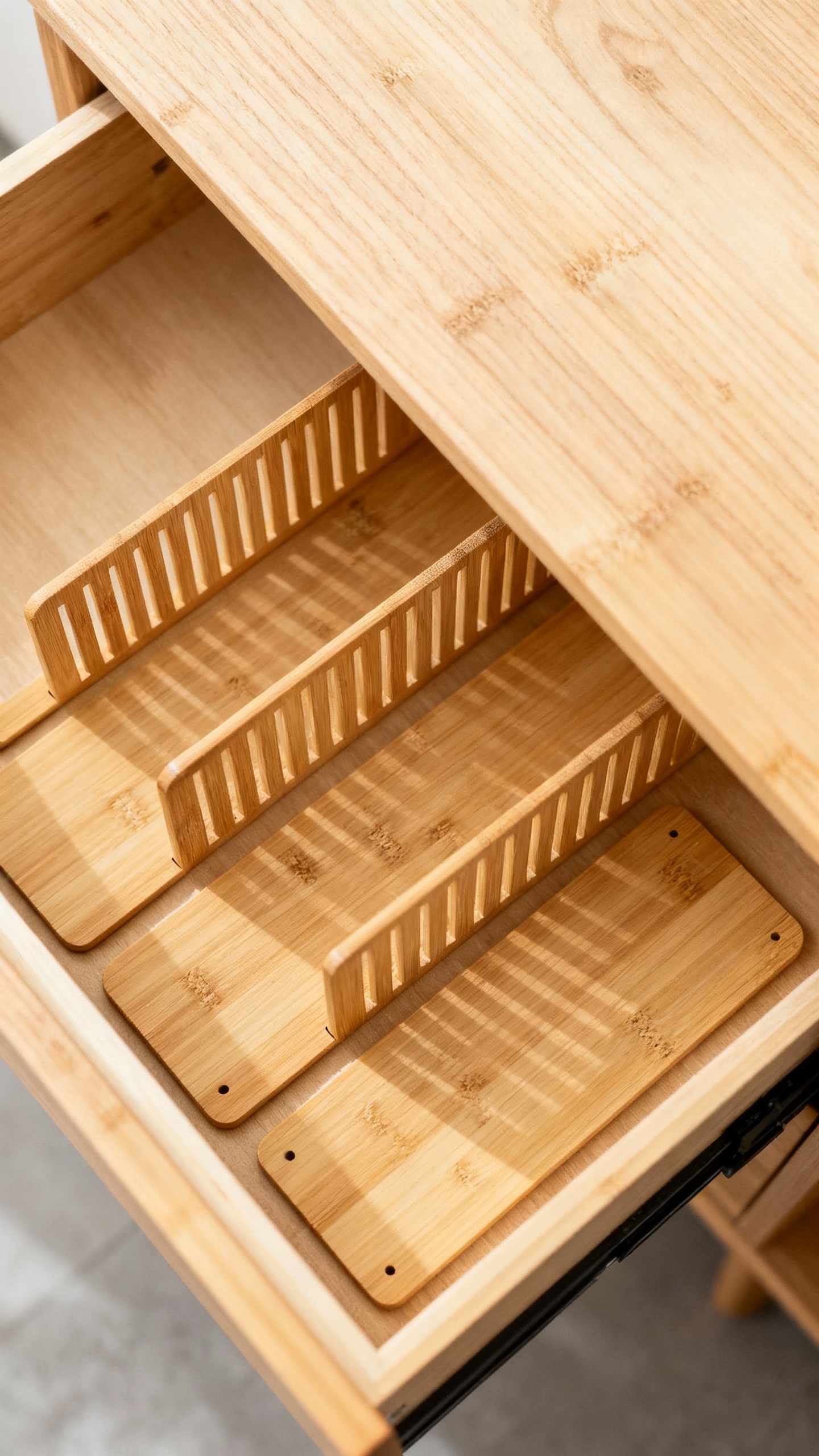
- Bamboo file-style organizers: Think “paper files, but make it kitchen.” Perfect for thin boards and baking sheets sharing a drawer.
- Low-profile racks: Use a bakeware rack inside a drawer to keep boards neat and visible.
What to store together
Group by use: veggie board, meat-only board, and a showpiece wood board. Label the edges if you’re extra.
FYI, color-coded plastic boards make cross-contamination mistakes less likely.
Under-Sink: Yes, But Be Smart
Under-sink space tempts all of us. You can store boards there if you do it right and avoid moisture traps.
- Vertical rack on one side: Keep boards upright and away from the plumbing. Airflow matters.
- Moisture barriers: Add a water-resistant liner and check for drips.If you’ve got leaks, skip this spot.
- Only for plastic or composite boards: Wood boards absorb odors and moisture—bad combo under the sink.
Countertop Solutions That Don’t Look Cluttered
Sometimes you want your favorite board within arm’s reach. The trick is to store it in plain sight without visual chaos.
- Slim vertical stand: A minimalist stand hugs the backsplash and keeps one or two boards upright and tidy.
- Cutting board + knife block combo: Combo organizers house knives and boards together. Efficient and honestly kind of chic.
- Behind the faucet: Slide a thin board between the wall and faucet base if you’ve got room.It disappears visually.
Keep it photogenic
If the board lives on the counter, make it a pretty one. Oiled wood boards double as decor and cheese-plate heroes, IMO.
Make the Most of Narrow Gaps
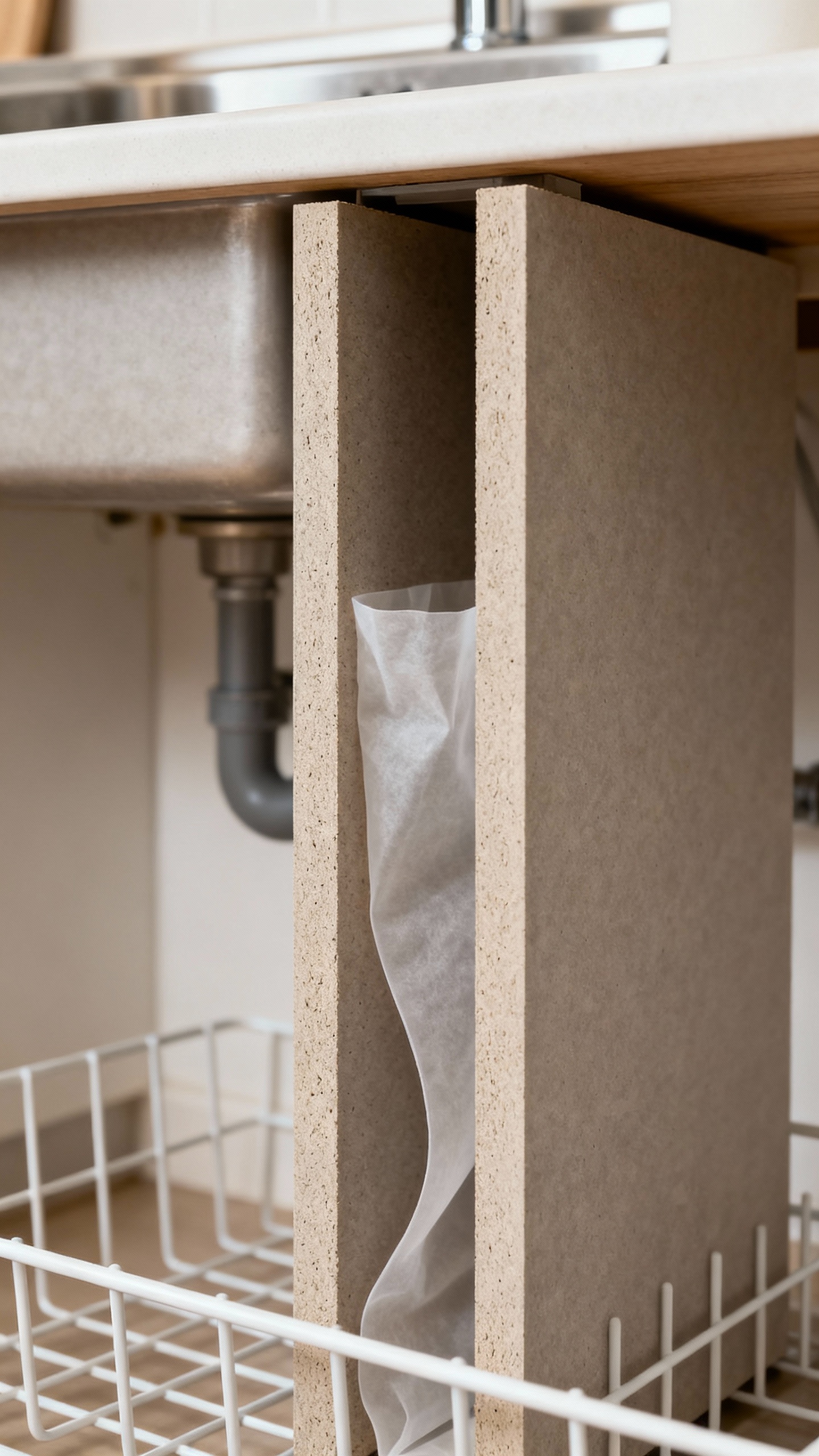
You probably have hidden storage spots you’ve never noticed. Time to exploit them (lovingly).
- Between fridge and counter: A 2–3 inch rolling rack or simple liner can hold boards vertically.
- Kickspace drawer: If you’re fancy or handy, install a toe-kick drawer for flat items like boards and trays.
- Side of the island or cart: Add a rail or hooks to a rolling cart and hang boards by the handle.
Protect Your Boards While You Store
Storage isn’t just about placement—it’s about keeping boards in good shape so they last.
- Airflow matters: Store boards vertically when possible so moisture escapes.
- Space them out: Use dividers to avoid trapping moisture between boards.Mold is not a seasoning.
- Weight limits: Don’t stack heavy wood boards on thin plastic ones; warping is real.
- Oil wood boards regularly: A quick mineral oil rub keeps them from drying out and splitting.
Wood vs. plastic: quick storage notes
– Wood: Needs airflow, hates dishwashers, prefers vertical storage. – Plastic/composite: More flexible on location, can handle under-sink or tighter slots.
Simple DIY Ideas That Work
You don’t need custom cabinetry. A few budget-friendly hacks can transform your storage game.
- Repurpose a file organizer: Metal or bamboo office file racks fit in cabinets or on counters perfectly for boards.
- Use a pot lid rack: Lid holders make excellent board corrals—mount them to a door or wall.
- Command hooks + bungee: Two hooks and a short bungee cord create a front stop to keep boards upright inside a cabinet.
- Tension rod corral: Two short tension rods form a narrow slot in a cabinet to stand boards vertically.
FAQs
What’s the best way to store wooden cutting boards?
Store them vertically with airflow. Use a rack or dividers so sides don’t touch tightly.
Keep them away from heat and moisture, and oil them with food-grade mineral oil every few weeks to prevent cracking.
Can I store cutting boards in the dishwasher?
Short answer: no for wood, maybe for plastic. Wood warps and splits in dishwashers. Plastic boards usually handle it, but high heat can warp thinner ones over time.
If you love a plastic board, let it air-dry outside the dishwasher to extend its life.
How many cutting boards do I actually need?
For small kitchens, three is the sweet spot: one wood board for bread/cheese, one plastic board for raw proteins, and one medium all-purpose board. Add a tiny board for quick fruit slicing if you’re extra.
What if my cabinets are super shallow?
Use door-mounted racks, wall storage, or the side of a cabinet. Slim mail sorters, bakeware racks, or a single rail with hooks keep boards accessible without relying on deep shelves.
How do I keep boards from sliding around inside cabinets?
Add a non-slip liner and use a divider or rack to hold them upright.
If boards still migrate, install a small front rail or use the command hooks + bungee trick to create a low-profile stop.
Is it safe to store cutting boards near the stove?
I wouldn’t. Heat and splatter can dry out wood and gunk up surfaces. Mount racks a few feet away or on the opposite wall.
Your boards—and your sanity—will thank you.
Conclusion
Small kitchens demand clever moves, not more square footage. Use vertical space, claim cabinet doors, and lean on dividers to keep boards upright and happy. Mix one or two countertop solutions with hidden storage, and you’ll tame the clutter fast.
FYI: the best system is the one you’ll actually use—so pick the setup that fits your cooking style and call it a win.