
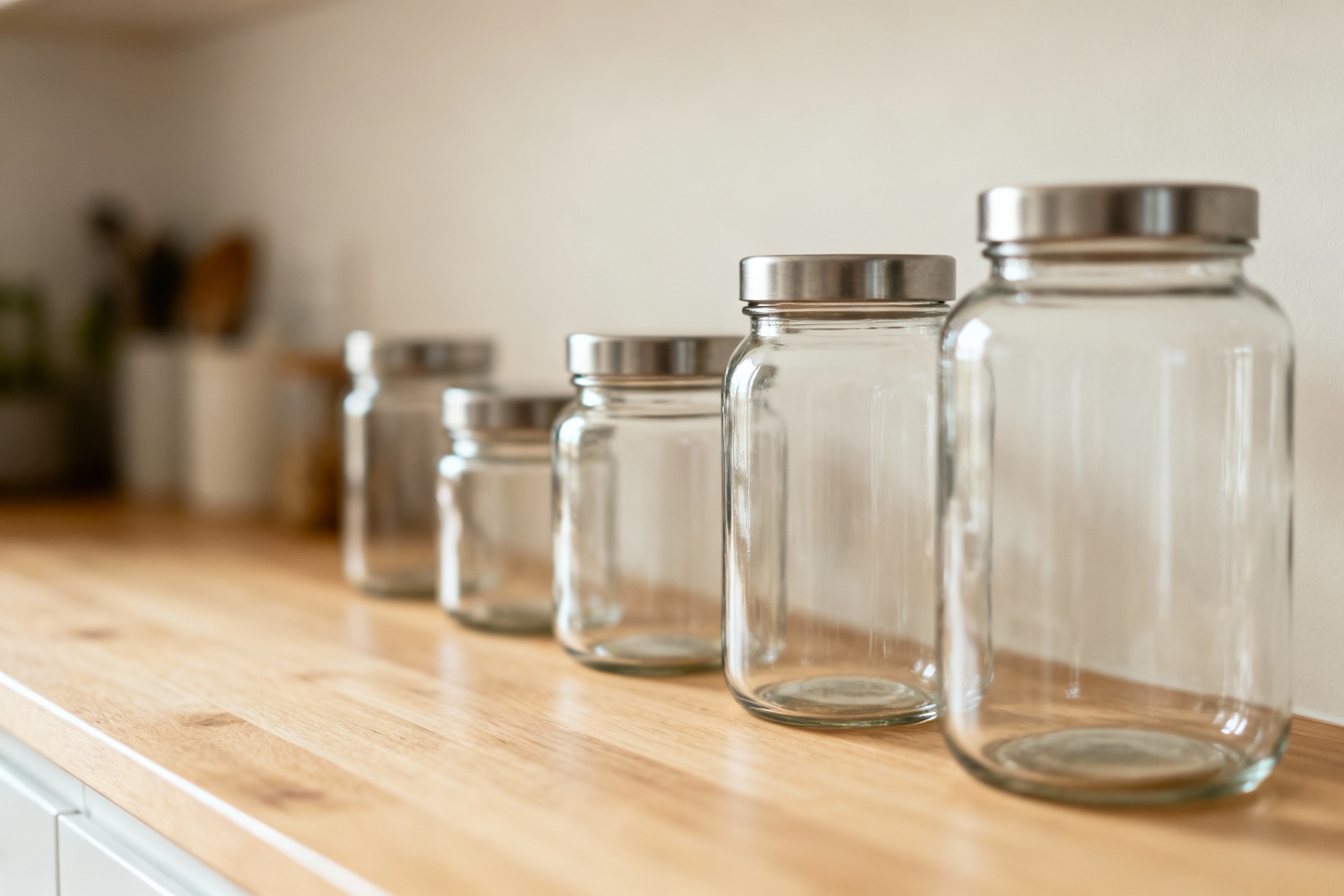
If your pantry looks like a cereal box avalanche waiting to happen, you’re not alone. Most kitchens collect half-used bags, mystery spices, and a rogue packet of quinoa that no one remembers buying. The fix?
Smart jars and containers that actually make you want to keep things tidy. Let’s get your shelves looking like a soothing before-and-after reel—minus the fake labels and 47 steps.
Why Jar Organization Changes Everything
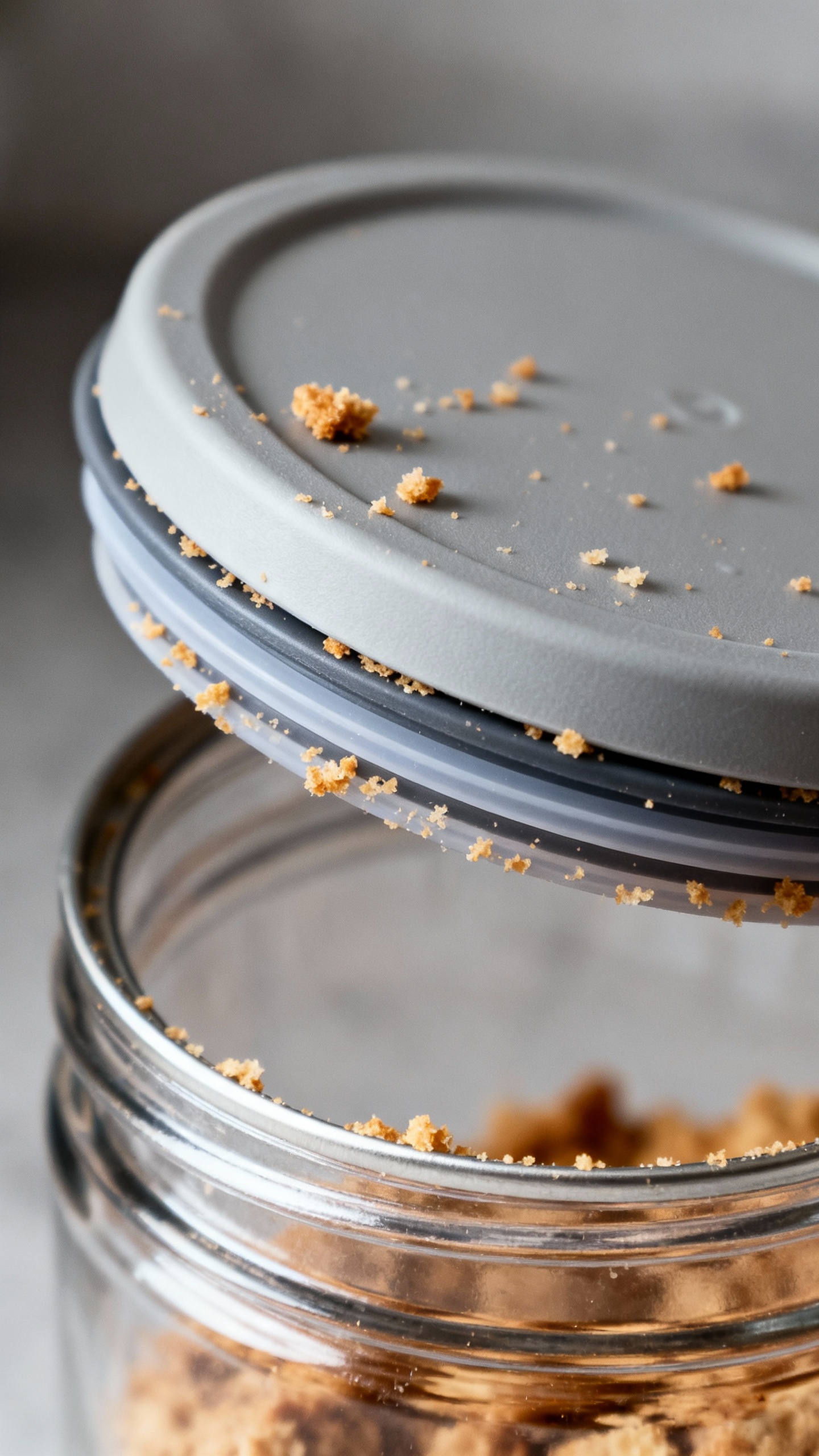
You’ll cook faster when you can see what you own. No more buying cinnamon for the fourth time because it hid behind the cocoa.
Clear containers also keep food fresher, which saves money (and prevents stale-cracker regret). And aesthetically? A row of matching jars hits that “I have my life together” vibe.
FYI, you don’t need fancy labels or a pro organizer. You just need the right set for how you actually cook.
Key Features That Matter (More Than the Brand)
Airtight seals keep flour soft, chips crisp, and bugs out. If it clicks, snaps, or twists—great.
If it barely presses on, skip it. Stackability turns cabinets into storage Tetris. Look for flat lids and uniform sizes. Clear walls beat opaque every time. You want instant visibility. Easy-clean parts help you avoid moldy lid gaskets.
Removable silicone rings = chef’s kiss. Right sizes for what you store most. Tall for spaghetti. Wide for flour.
Small for snacks and nuts.
The Best Types of Kitchen Containers on Amazon
Different foods need different homes. Mix and match from these categories for a system that actually fits your life.
1) POP-Style Airtight Canisters
These come with push-button or snap-lock lids that seal with a satisfying click. They’re ideal for baking staples, snacks, and cereal.
Pros: Super user-friendly, truly airtight, stackable, and look clean. Cons: Pricier and the lids take up some headspace. Best for: Flour, sugar, rice, beans, cookies, crackers.
2) Glass Jars with Clamp Lids
The classic café look.
Glass won’t absorb odors or stains, and it feels premium. Pros: Non-porous, long-lasting, beautiful on open shelves. Cons: Heavier and not ideal for kids or slippery hands.
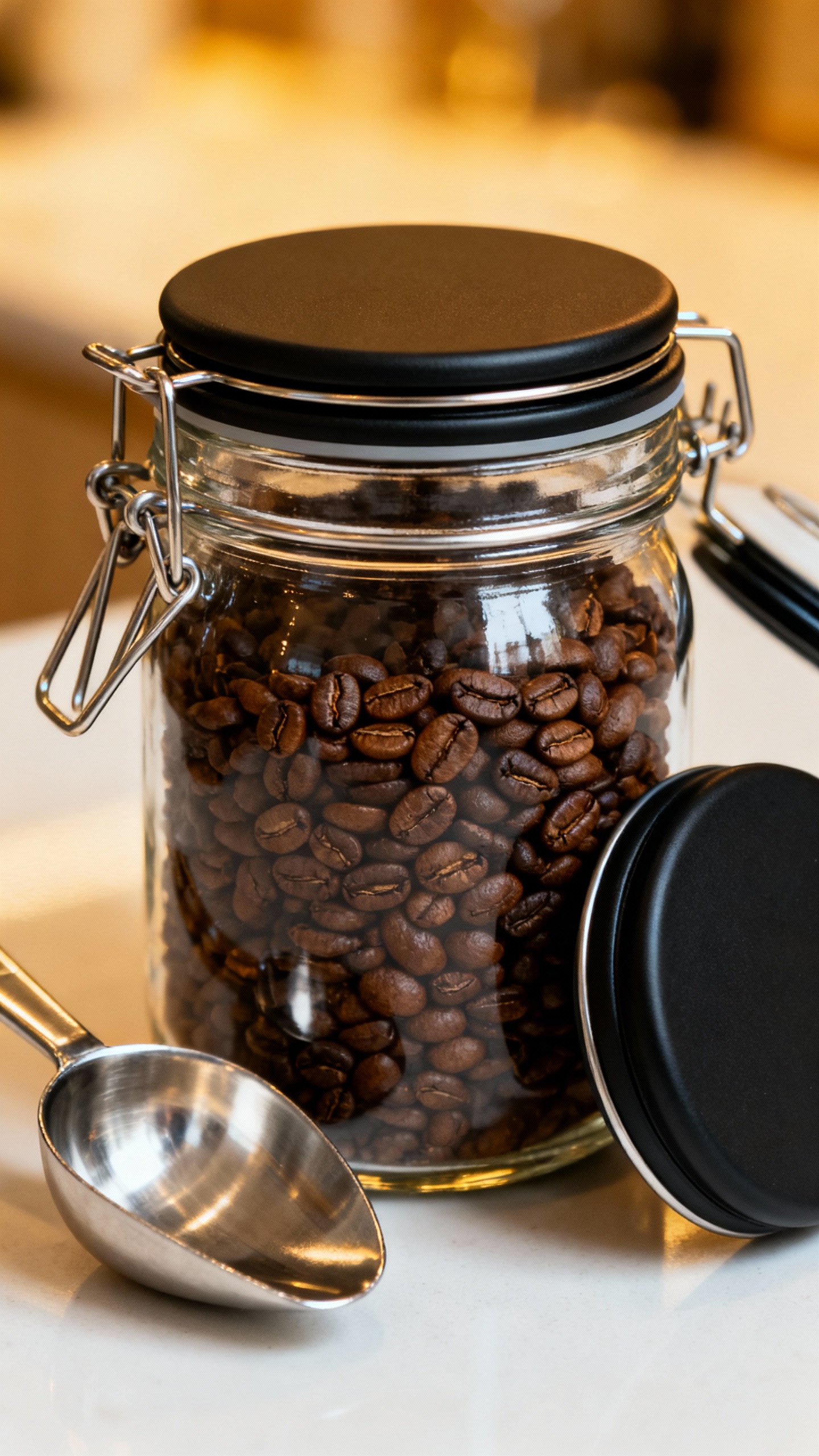
Best for: Coffee beans, pasta, dry herbs, specialty flours.
3) Modular Pantry Bins
Think slim, rectangular canisters that share a footprint for perfect stacking. Pros: Space-efficient, easy to line up, easy to label. Cons: Not as charming as glass; some lids can be fiddly.
Best for: Cereals, baking supplies, snacks, pet treats.
4) Spice Jars with Uniform Labels
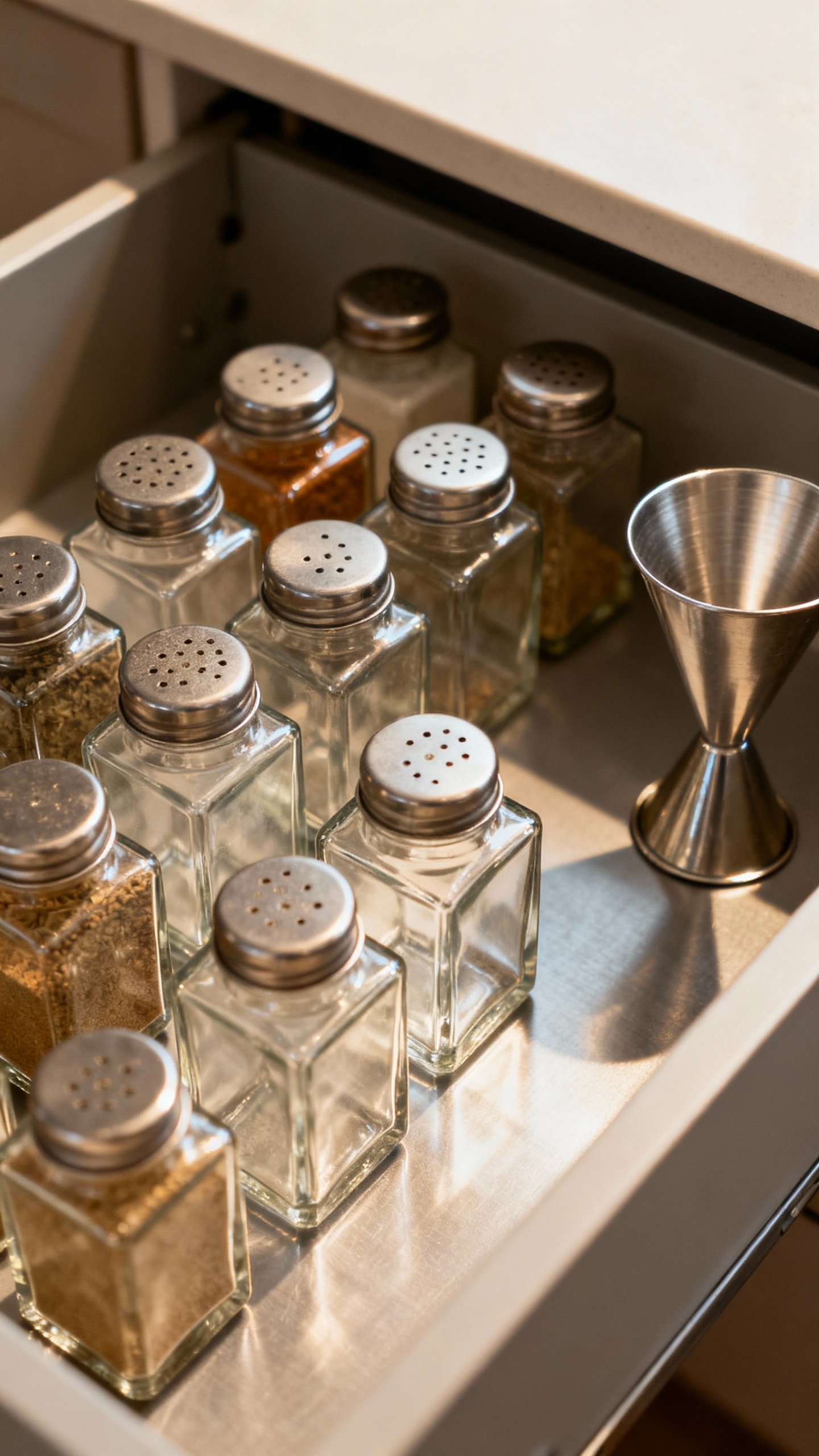
A set of identical spice jars with a full label pack changes your cooking vibe instantly. Pros: Consistency, better fit in a rack or drawer, clearer visibility. Cons: You need to decant spices (worth it IMO).
Best for: Drawer spice organizers, magnetic racks, or stackable spice tiers.
5) Bulk Storage Containers
Gigantic bins for 10–25 pounds of flour, rice, or dog food. Pros: Wide openings, scoops included, airtight. Cons: Eat a lot of space, usually not “pretty.” Best for: Bulk buyers, home bakers, big families.
What I’d Buy on Amazon (and Why)
I won’t drown you in SKUs, but here’s the game plan I recommend—and yes, it’s Amazon-friendly.
- For baking staples: A set of medium and large airtight canisters with push-button or snap-lock lids.Look for sets with multiple sizes (e.g., 4–8 containers) and removable gasket rings.
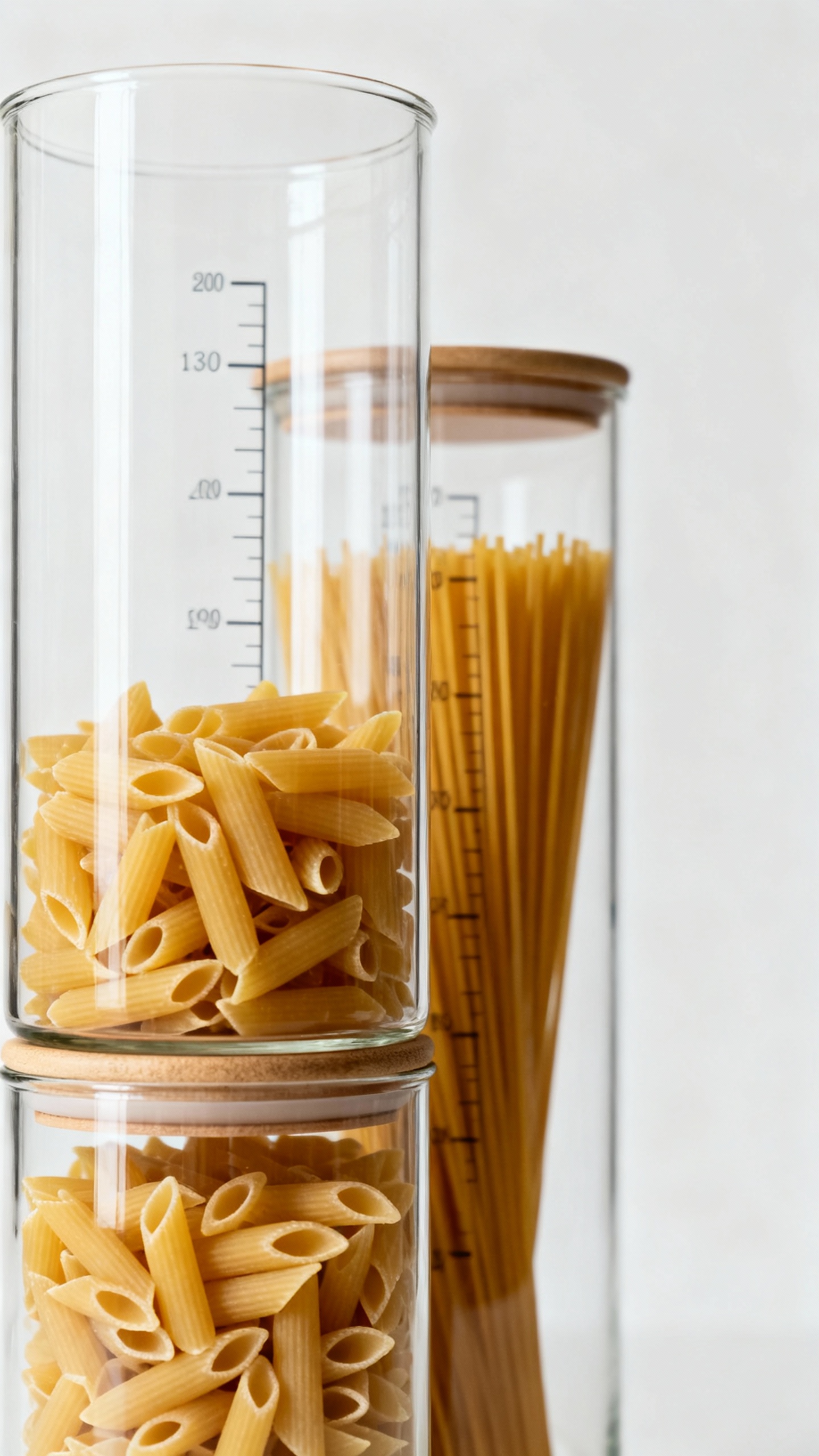
- For pasta and grains: Tall, narrow canisters that stack. Clear measurement marks help track how much is left.
- For snacks: Shallow, wide containers so chips don’t turn to crumbs. Bonus points if you can fit them in a drawer.
- For spices: A uniform 24–36 jar set with preprinted labels and a funnel.Choose square jars if you hate rolling.
- For coffee/tea: Glass clamp jars or stainless vacuum canisters with CO2 valves. Your beans deserve better than a floppy bag.
- For bulk storage: Airtight rolling bins with a scoop. They live in the pantry floor and keep things tidy.
Material Showdown: Plastic vs.
Glass vs. Stainless
- Plastic (BPA-free): Lightweight, kid-friendly, and budget-friendly. Can scratch over time.Great for daily use.
- Glass: Premium look, non-porous, and easy to sanitize. Heavier and breakable, but gorgeous for open shelves.
- Stainless: Opaque, ultra-durable, and modern. Best for coffee/tea where light is the enemy.
How Many Containers Do You Actually Need?
Do a five-minute pantry audit.
Count your categories, not every item.
- Daily drivers: flour, sugar, brown sugar, rice, oats, pasta, coffee, cereal (7–10 containers)
- Snacks and nuts: 4–6 containers depending on snack people vs. cereal people
- Baking extras: cocoa, powdered sugar, baking chips, coconut (3–5 containers)
- Spices: 24–36 jars for most home cooks
Buy one larger set plus a couple of add-ons. You’ll fill them, I promise.
Decanting Without Losing Your Sanity
You do not need to decant everything. Be strategic.
- Always decant: flour, sugar, oats, rice, pasta, coffee, frequently used snacks.
- Sometimes decant: lentils, beans, specialty flours, baking chips.
- Skip decanting: one-off items you rarely use.
And keep the original package instructions.
Snip them and tape under the lid or stash in a zip bag nearby. Future you will thank you when you forget rice ratios.
Labeling That Doesn’t Annoy You
Go minimal. A white chalk marker on black labels looks clean and wipes off with water.
Or use clear labels with simple text. Tip: Label both the front and the bottom (or lid). You’ll still know what’s what when you pull a container off a high shelf.
Smart Layout: Where Everything Lives
Put stuff where you actually use it.
Rocket science, I know.
- Baking center: Keep flour, sugars, leaveners, cocoa, and chips together near the mixer.
- Breakfast zone: Oats, cereal, nut butters, coffee/tea near mugs and bowls.
- Snack shelf: Eye-level for kids, or higher if you like peace and quiet.
- Pasta and grains: Near the stove with measuring cups handy.
FYI: Lazy Susans earn their keep for oils, vinegars, and sauces. No more sticky bottle graveyard.
Cleaning and Maintenance (So It Stays Cute)
You’ll keep the system if it’s easy to clean.
- Wash containers by hand if the dishwasher warps lids. Most bodies are dishwasher-safe; lids usually prefer hand-washing.
- Pop out silicone gaskets and dry completely to avoid funk.
- Deep clean twice a year.Use that moment to toss stale spices and mystery grains.
- When refilling, use the “FIFO” method: First In, First Out. Pour the old on top of the new? Nope.New under old? Also nope. Empty, wipe, then refill.
Frequently Asked Questions
Do airtight containers really keep food fresher?
Yes.
An airtight seal keeps out moisture and air, which cause staleness and oxidation. Crackers stay crisp, flour stays soft, and pantry moths stay homeless. Worth it.
Glass or plastic—what’s better for pantry storage?
Both work.
Glass looks premium and doesn’t absorb smells, while plastic is lighter, stackable, and kid-friendly. Mix them based on where they live: glass on open shelves, plastic in high-traffic cabinets.
How do I stop brown sugar from hardening?
Use an airtight container and toss in a brown sugar saver (a small terra-cotta disc). No saver?
A slice of bread or a few marshmallows softens it in a pinch. Replace every few weeks.
What size containers should I get for flour and sugar?
Grab 4–5 quart containers for a standard 5-pound bag of flour or sugar. For specialty flours, 2–3 quart sizes usually do the trick.
Always check the listed capacity in quarts or liters, not just “large.”
Are spice jar sets worth it?
If you cook often, absolutely. Uniform jars fit better, labels prevent duplicates, and you’ll actually find cumin when you need it. IMO, a 24–36 jar set with a funnel and shaker tops is the sweet spot.
How do I keep my system from falling apart in a month?
Keep it simple.
Store only what you use, choose containers that match how you cook, and schedule a 10-minute tidy every two weeks. If a container annoys you, replace it—friction kills systems.
Conclusion
Good containers turn chaotic shelves into a pantry you’ll actually use. Aim for airtight, stackable, and clear, then set up zones that match your routines.
Keep labels simple, clean the gaskets sometimes, and don’t overthink it. In a week, you’ll open your cabinets and feel that quiet, nerdy joy. IMO, that’s the best seasoning in any kitchen.